Understanding Juice Labels: What Those Health Claims Actually Mean
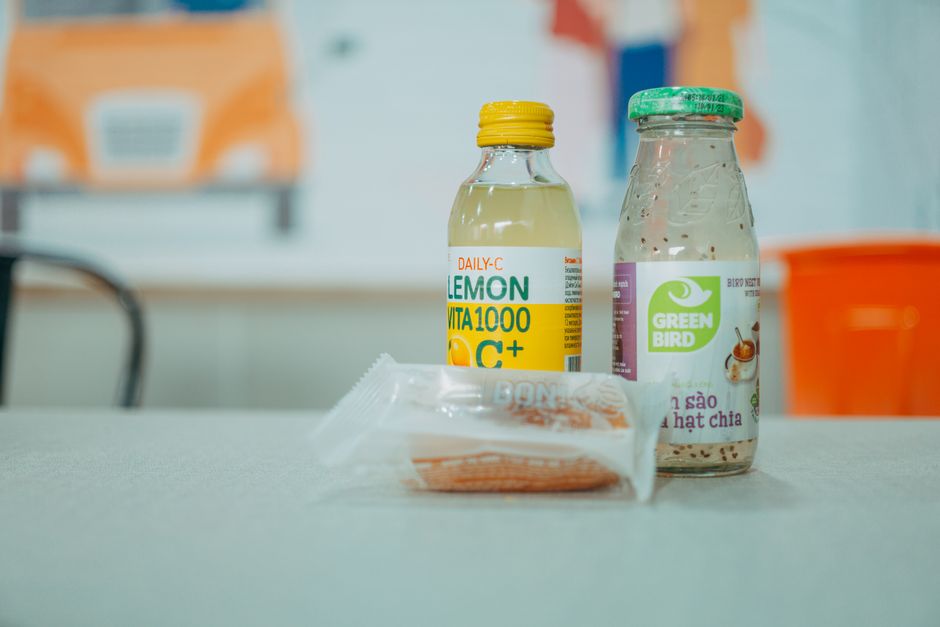
Walking through a supermarket or juice shop, you'll encounter numerous health claims on bottles: "detoxifying," "organic," "superfood," "natural." Understanding what these terms actually mean—and which are regulated—helps you make informed purchasing decisions rather than being swayed by marketing language.
Regulated vs. Unregulated Claims
In the UK, certain health claims are regulated by the Food Standards Authority and must be backed by scientific evidence. These include claims about bone health, heart health, and immune function. However, many popular terms like "detox," "superfood," and "cleanse" are largely unregulated marketing language without strict scientific definitions. Be sceptical of these unproven claims.
What "Organic" Actually Means
Organic certification is regulated and verified by certifying bodies. Organic juices are produced without synthetic pesticides, artificial fertilisers, or GMOs. If you see an organic label, it should display the relevant certification mark. However, organic doesn't automatically mean more nutritious—a conventional cold-pressed juice may retain more nutrients than an organic juice processed at high temperatures.
Sugar Content Matters
Check the nutrition label for sugar content, not just the marketing claims. Even 100% fruit juice contains natural sugars that can be high. A 250ml glass of pure fruit juice typically contains 20-30g of sugar—equivalent to several teaspoons. The label should show total sugars and ideally distinguish between added and natural sugars. Vegetable-based juices usually contain far less sugar.
Decoding "No Added Sugar"
This claim means no sugar was added during production, but the juice still contains natural sugars from fruits and vegetables. It's a legitimate claim that can help you choose lower-sugar options, but it doesn't mean the juice is sugar-free. Always check the nutrition information panel for actual sugar content.
Cold-Pressed vs. Other Methods
If a bottle claims to be cold-pressed, this is a specific production method worth the premium price, as it preserves more nutrients. However, not all high-quality juices are cold-pressed. Some companies use other methods that also preserve good nutritional value. Don't assume non-cold-pressed juices are inferior without checking production details.
Pasteurisation and Shelf Life
Longer shelf life usually indicates pasteurisation or other preservation methods that may reduce some heat-sensitive nutrients. Shorter shelf life typically means minimal processing and better nutrient retention. Check expiration dates and storage instructions. Juices requiring refrigeration are usually less processed than shelf-stable alternatives.
Ingredient Lists Tell the Real Story
The ingredient list is more informative than marketing claims. Ingredients are listed by weight in descending order. A juice listing "apple, carrot, ginger" is more straightforward than one with multiple additives. Avoid juices with added sugars, artificial colours, or preservatives if you're seeking health benefits.
Price Doesn't Always Equal Quality
Expensive doesn't automatically mean better. Some premium brands charge more for branding and packaging than nutritional superiority. Conversely, some affordable juices offer excellent quality. Compare actual nutritional content and ingredient lists rather than relying on price as a quality indicator.
By reading labels carefully and understanding marketing language, you'll select juices that genuinely match your health goals rather than simply believing attractive packaging promises.