The Complete Guide to Juice Cleansing: What Actually Works
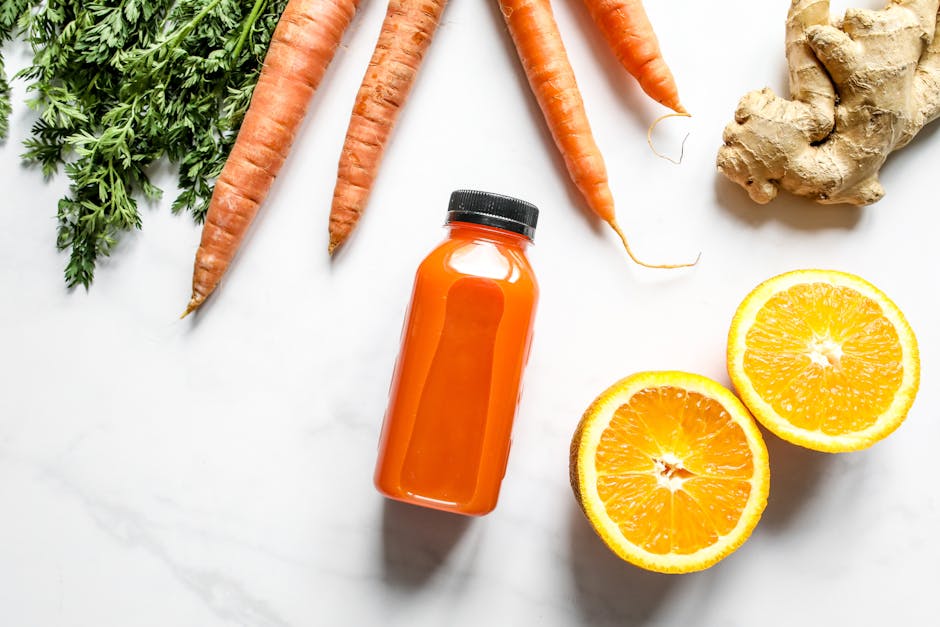
Juice cleanses have become a popular wellness trend in the UK, with many people hoping to "detoxify" their bodies and reset their health. Before investing time and money into a cleanse programme, it's important to understand what the science actually tells us about whether they work.
How the Body Actually Detoxifies
Your body has built-in detoxification systems, primarily your liver and kidneys, that work continuously to filter out waste and harmful substances. These organs don't require special juice programmes to function effectively. They work best when you maintain a balanced diet, drink plenty of water, exercise regularly, and get adequate sleep.
What Juice Cleanses Claim to Do
Most juice cleanse programmes claim to remove toxins, boost energy, improve digestion, and kickstart weight loss. While these claims sound appealing, scientific evidence supporting them is limited. Some people do report feeling better during cleanses, which may be due to increased fruit and vegetable consumption rather than any special detoxifying properties.
Potential Risks and Considerations
Extended juice cleanses can lead to nutritional imbalances, particularly a lack of protein and healthy fats. They may also cause digestive issues, fatigue, headaches, and blood sugar fluctuations. People with certain health conditions, diabetes, or those taking medications should consult their GP before attempting any cleanse.
A More Balanced Approach
Rather than pursuing extreme cleanses, incorporate fresh juices into a balanced diet. A single glass of cold-pressed juice daily provides concentrated nutrients and can support your overall health. Combine this with whole foods, lean proteins, healthy fats, and regular physical activity for sustainable wellness.
The Weight Loss Question
Initial weight loss during a juice cleanse is typically water weight and muscle loss, not fat loss. This weight usually returns once normal eating resumes. For sustainable weight management, focus on long-term dietary changes rather than short-term cleanses.
When Juice Makes Sense
Fresh juice is beneficial when used as a supplement to, not a replacement for, whole foods. It's an excellent way to increase vegetable and fruit intake if you struggle to eat enough whole produce. Juice is particularly useful for those with digestive difficulties who find whole vegetables hard to tolerate.
Making an Informed Decision
If you're interested in juice for health benefits, focus on incorporating quality cold-pressed juices into your regular diet rather than pursuing extreme cleanses. Consult a registered dietitian for personalised advice aligned with your specific health needs and goals. This evidence-based approach is far more likely to deliver lasting results.