Juice for Athletic Performance: What Science Says Works
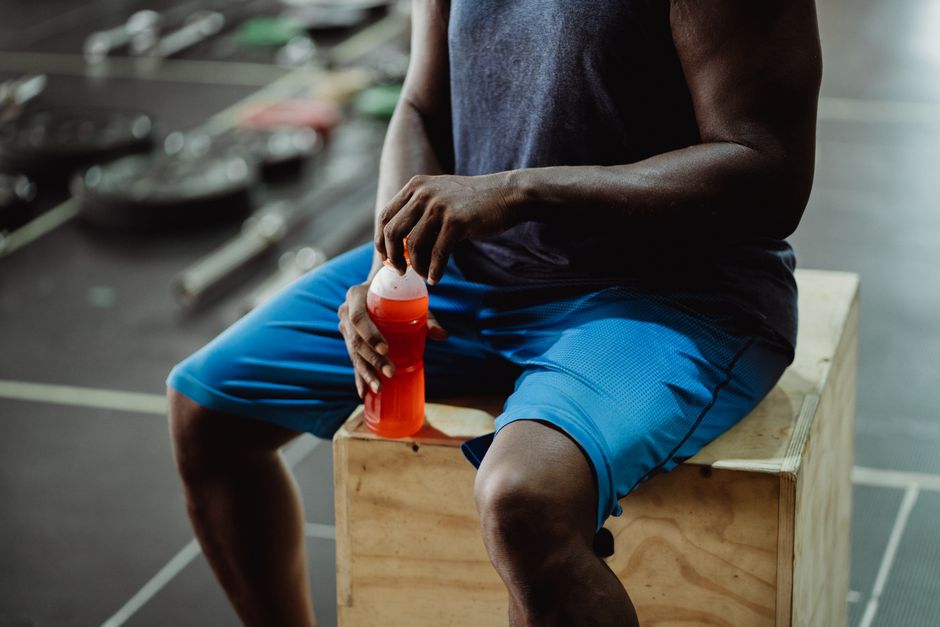
Athletes constantly seek ways to improve performance and recovery, and juice has become a popular supplement choice. However, not all juices offer equal benefits for sports performance, and timing matters significantly. Understanding the science helps you optimise results.
Carbohydrates and Energy Availability
Juice provides easily digestible carbohydrates that quickly replenish glycogen stores depleted during intense exercise. This makes juice particularly valuable during and after workouts when your body needs rapid fuel. A glass of juice provides approximately 20-30g of carbohydrates, making it an efficient energy source for athletes.
Pre-Workout Juice Strategy
Consuming juice 30-60 minutes before exercise provides readily available energy without the heaviness of whole foods. A simple juice combining apple, carrot, and ginger offers carbohydrates plus ginger's anti-inflammatory properties. Avoid high-fibre juices immediately before workouts, as they may cause digestive discomfort during activity.
Recovery Juice Composition
Post-workout recovery juices should combine carbohydrates to replenish glycogen with some protein for muscle repair. While most pure juices lack protein, adding Greek yoghurt, milk, or protein powder creates a complete recovery drink. Beetroot juice is particularly beneficial post-workout due to its nitrates, which improve blood flow and oxygen delivery to muscles.
Beetroot Juice and Endurance
Beetroot juice contains nitrates that improve blood flow and oxygen utilisation, potentially enhancing endurance performance. Research suggests consuming beetroot juice 2-3 hours before endurance events may improve performance. However, benefits are modest and individual responses vary significantly.
Tart Cherry Juice for Recovery
Tart cherry juice has shown promise in reducing exercise-induced muscle soreness and supporting recovery. The anthocyanins and polyphenols in tart cherries have anti-inflammatory properties. Studies suggest consuming tart cherry juice in the 24 hours following intense exercise may reduce delayed-onset muscle soreness.
Hydration Considerations
Pure juice is quite concentrated and can cause digestive issues if consumed in large quantities without water. For hydration during prolonged exercise (over 90 minutes), dilute juice with water to create a sports drink with appropriate carbohydrate and electrolyte concentrations. This prevents gastrointestinal distress while maintaining energy availability.
Timing Is Everything
The timing of juice consumption significantly affects its benefits. Post-workout is the optimal window—within 30-60 minutes of exercise—when muscles are primed to absorb nutrients. Pre-workout juice should be consumed early enough to digest before activity begins. Evening juice consumption offers no performance advantage and may disrupt sleep.
Individual Variability
Athlete responses to juice supplementation vary considerably based on genetics, training status, and individual tolerance. Some athletes experience significant performance improvements, whilst others notice minimal effects. Experiment during training rather than competition to determine what works for your body.
Practical Implementation
Rather than relying solely on juice, incorporate it strategically within a balanced diet. Use juice to supplement whole foods and water, not replace them. Combine juice with whole foods containing protein and healthy fats for sustained nutrition. A practical approach is consuming juice post-workout alongside a balanced meal.
Science supports juice as a useful tool for athletic performance and recovery when used strategically and at optimal times. However, it's a supplement to, not a replacement for, comprehensive sports nutrition and training.